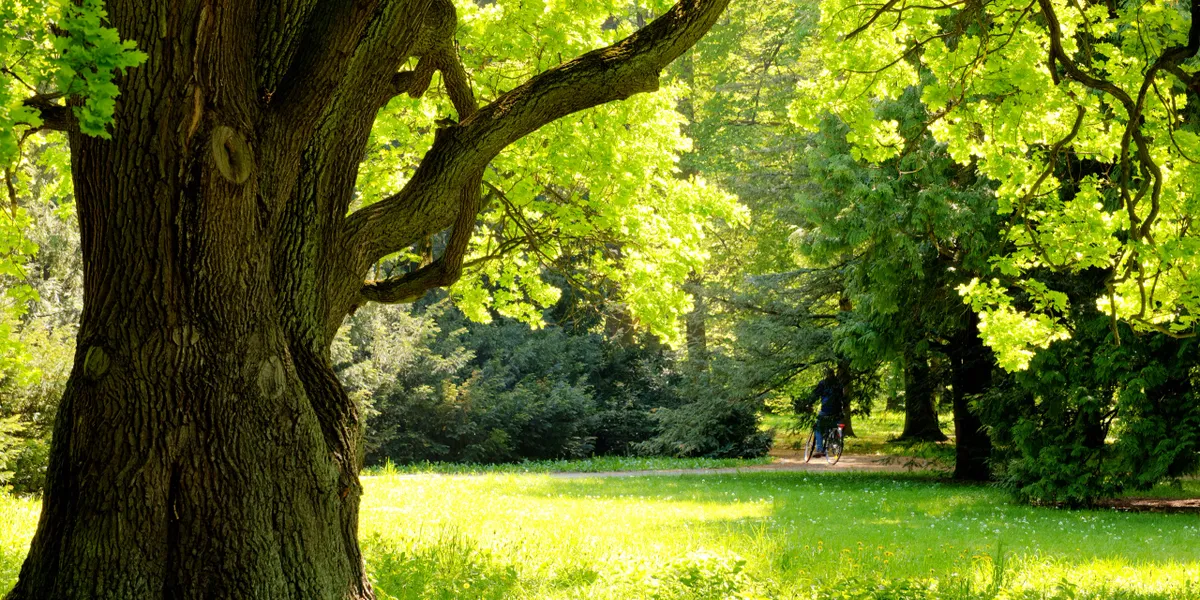

Mature trees add beauty, shade, privacy, and value to residential and commercial properties throughout Northern New Jersey. They create welcoming landscapes, improve air quality, and provide environmental benefits that last for decades. However, even healthy-looking trees can develop hidden structural weaknesses that increase the risk of branch failure or tree loss during severe weather.
Across Andover, Sparta, Denville, Kinnelon, Blairstown, Morristown, Newton, Randolph, Roxbury, Hackettstown, and surrounding Northern New Jersey communities, storms with heavy rain, high winds, lightning, and occasional ice can place tremendous stress on mature trees. While storm damage often appears sudden, many tree failures begin with issues that developed months or even years earlier.
A professional tree risk assessment helps property owners identify potential hazards before they become emergencies. By evaluating tree health, structure, and surrounding conditions, property owners can make informed decisions that protect people, buildings, vehicles, and landscapes while preserving healthy trees whenever possible.
What Is a Tree Risk Assessment?
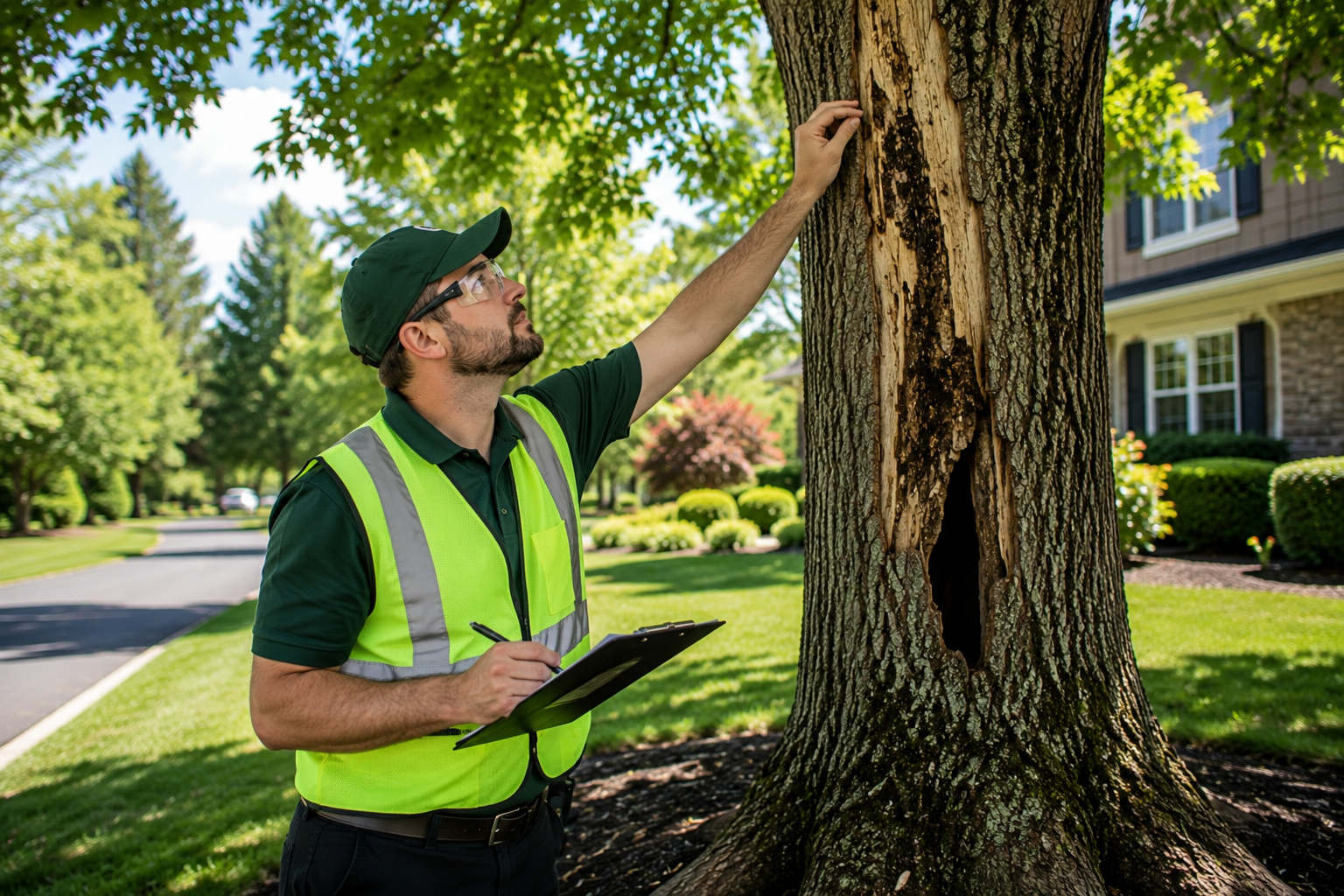
A tree risk assessment is a detailed professional evaluation that determines the overall condition and structural stability of a tree.
Rather than focusing only on visible appearance, an assessment examines multiple factors that influence tree safety and long-term health.
Professional evaluations often include:
- Overall tree health
- Branch structure
- Trunk condition
- Root stability
- Soil conditions
- Signs of disease
- Evidence of insect activity
- Previous storm damage
- Leaning or structural imbalance
- Proximity to nearby structures
The purpose is to identify developing concerns before they become costly or dangerous.
Trees Can Hide Serious Structural Problems
Many tree problems develop internally before becoming visible from the outside.
A tree may appear healthy while experiencing:
- Internal decay
- Hollow sections
- Root deterioration
- Structural cracks
- Weak branch attachments
These hidden defects often become noticeable only after severe weather causes branches or entire trees to fail.
Routine professional evaluations help uncover these concerns before property damage occurs.
Root Systems Deserve Just As Much Attention
The health of a tree begins below ground.
Healthy roots provide:
- Structural support
- Water absorption
- Nutrient uptake
- Storm stability
Construction projects, soil compaction, drainage issues, and years of heavy traffic can gradually weaken root systems.
Professional assessments evaluate whether soil conditions are limiting healthy root development.
Throughout Sparta, Denville, and Morristown, improving soil health often becomes one of the most valuable preventive services available.
Why Leaning Trees Should Never Be Ignored
Not every leaning tree is dangerous, but every significant lean deserves professional evaluation.
A sudden change in tree position may indicate:
- Root damage
- Soil movement
- Storm-related instability
- Structural weakness
Evaluating the cause of the lean allows professionals to determine whether corrective pruning, soil improvement, cabling, or removal may be appropriate.
Ignoring significant leaning can increase future risks.
Dead Branches Can Become Major Hazards
Large dead limbs represent one of the most common tree hazards found on residential and commercial properties.
Dead branches may fall because of:
- Strong winds
- Heavy rain
- Snow accumulation
- Natural decay
Professional pruning removes hazardous limbs before they threaten:
- Homes
- Vehicles
- Walkways
- Outdoor gathering spaces
- Parking areas
Routine maintenance greatly improves overall landscape safety.
Healthy Soil Supports Safer Trees
Soil quality directly influences tree stability.
Healthy soil encourages:
- Strong root growth
- Better drainage
- Improved nutrient availability
- Increased drought resistance
- Greater structural stability
Compacted or nutrient-deficient soil weakens trees over time, making them more vulnerable during storms.
Professional fertilization and soil improvement programs help maintain stronger landscapes throughout Northern New Jersey.
Tree Risk Assessments Benefit Residential Properties
Homeowners often invest years into developing beautiful outdoor spaces.
Professional tree evaluations help protect:
- Homes
- Garages
- Patios
- Pools
- Fences
- Driveways
- Outdoor kitchens
- Play areas
Preventive maintenance allows families to enjoy their landscapes with greater confidence throughout the year.
Residents across Andover, Blairstown, Kinnelon, and Newton often schedule evaluations as part of ongoing property maintenance.
Commercial Properties Need Routine Evaluations
Commercial landscapes present additional responsibilities because of higher public traffic.
Professional tree assessments help businesses protect:
- Customers
- Employees
- Visitors
- Parking lots
- Building entrances
- Outdoor seating areas
- Public sidewalks
Routine evaluations also help maintain attractive landscapes that support positive customer experiences.
Businesses throughout Randolph, Roxbury, Morristown, and Sparta benefit from scheduled tree inspections.
Tree Risk Assessments Help Prevent Emergency Tree Removal
Emergency removals are often far more expensive and disruptive than preventive maintenance.
Routine inspections allow property owners to address problems before they require emergency response.
Preventive care helps reduce:
- Storm-related failures
- Property damage
- Liability concerns
- Landscape disruption
- Unexpected repair costs
Many trees can be preserved through timely pruning, fertilization, and corrective care when issues are identified early.
Combining Tree Assessments with Complete Landscape Care
Tree evaluations provide the greatest value when included within a comprehensive maintenance program.
Professional services often include:
- Tree pruning
- Organic tree care
- Fertilization
- Shrub maintenance
- Mosquito control
- Tick control
- Soil improvement
- Seasonal inspections
Together, these services create stronger, healthier landscapes that remain attractive throughout every season.
Protecting Your Investment Starts with Prevention
Trees often represent one of the largest landscape investments on any property.
Protecting them requires more than reacting to visible problems.
Professional tree risk assessments help property owners:
- Improve safety
- Preserve mature trees
- Reduce liability
- Protect buildings
- Increase landscape longevity
- Support healthier outdoor environments
Across Andover, Sparta, Denville, Kinnelon, Blairstown, Morristown, Newton, Randolph, Roxbury, Hackettstown, and surrounding Northern New Jersey communities, routine tree evaluations remain one of the smartest investments property owners can make to preserve beautiful landscapes while reducing long-term maintenance costs.
Contact Global Shade Tree Professionals
For professional tree risk assessments, tree care, tree pruning, organic tree care, fertilization, shrub care, mosquito control, tick control, and tree removal services throughout Andover, Sparta, Denville, Kinnelon, Blairstown, Morristown, Newton, Randolph, Roxbury, Hackettstown, and surrounding Northern New Jersey communities, Global Shade Tree Professionals is ready to help.
We provide customized tree care solutions designed to improve safety, strengthen landscapes, and protect residential and commercial properties throughout every season.
Phone: 973-398-0682
Email: globalshadetree@aol.com
Contact Global Shade Tree Professionals today to schedule a professional tree risk assessment and help protect your landscape before the next major storm arrives.