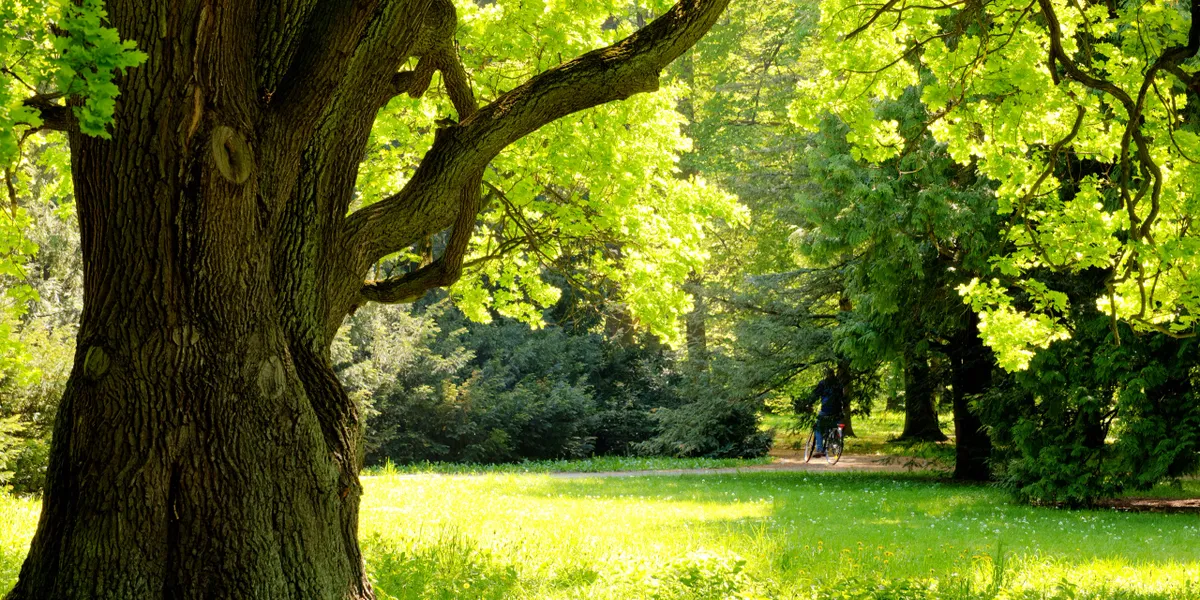

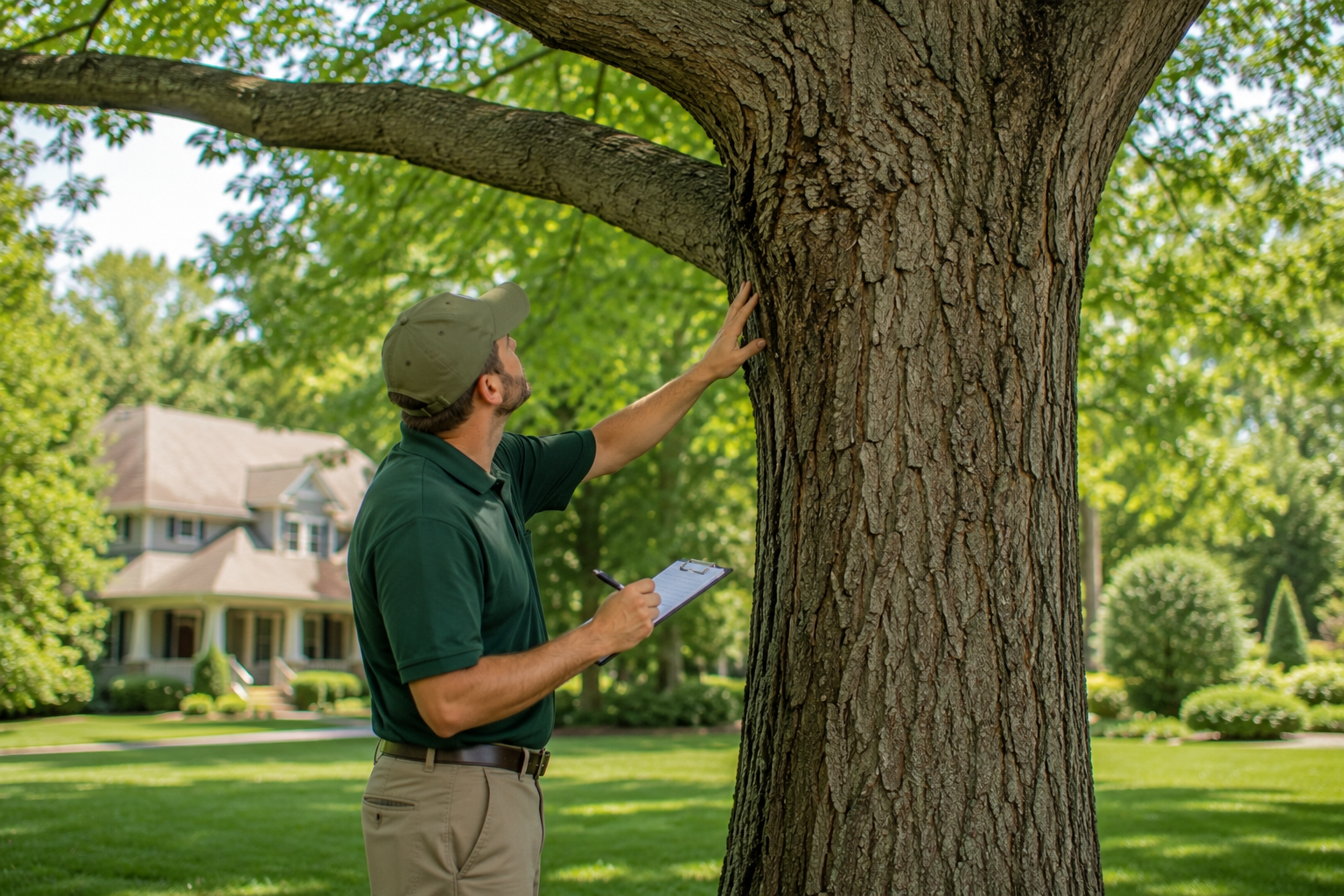
Trees are among the most valuable features of any residential or commercial property. They provide shade, improve curb appeal, increase property value, support local ecosystems, and create inviting outdoor spaces. However, like every living organism, trees require regular care to remain healthy and safe. Unfortunately, many property owners don’t realize a tree has a problem until it becomes an emergency.
Throughout Andover, Sparta, Denville, Kinnelon, Blairstown, Morristown, Newton, Hackettstown, Randolph, Roxbury, and surrounding Northern New Jersey communities, mature trees are exposed to changing weather, insects, disease, soil compaction, and environmental stress. Without routine inspections, small issues can quickly develop into expensive repairs or hazardous situations.
At Global Shade Tree Professionals, we believe that professional tree inspections should be an essential part of every property maintenance plan. Regular inspections allow us to identify developing problems early, recommend practical solutions, and help homeowners and businesses protect both their landscapes and their investments.
Why Tree Inspections Matter
Many tree problems begin inside the tree or below the ground where they cannot easily be seen.
A tree may appear perfectly healthy while experiencing:
- Internal decay
- Root damage
- Structural weaknesses
- Disease development
- Insect infestations
- Soil deficiencies
Routine inspections provide an opportunity to detect these issues before they threaten the health of the tree or the safety of nearby structures.
Preventive care almost always costs less than emergency tree removal or repairing storm damage.
Detecting Structural Weakness Before It Becomes Dangerous
One of the primary goals of a professional inspection is evaluating structural stability.
Our experienced arborists examine:
- Major limbs
- Branch unions
- Tree trunks
- Root flares
- Leaning patterns
- Canopy balance
Weak branches or hidden cracks may not be obvious to property owners, but they can become dangerous during high winds, heavy rain, snow, or ice storms.
Properties throughout Sparta, Morristown, and Denville benefit from routine structural assessments that reduce unnecessary risks.
Identifying Early Signs of Disease
Tree diseases often progress gradually.
Early symptoms may include:
- Small dead branches
- Leaf discoloration
- Premature leaf drop
- Fungal growth
- Bark abnormalities
- Sparse canopies
Without professional evaluation, these warning signs may go unnoticed until significant damage has already occurred.
Early diagnosis allows treatments to begin while recovery is still possible.
Spotting Insect Activity Before Major Damage Occurs
Northern New Jersey trees can be affected by numerous destructive insects.
During inspections, professionals look for evidence such as:
- Exit holes
- Boring dust
- Damaged bark
- Leaf feeding
- Tunneling
- Unusual sap production
Organic pest management can often address problems before insect populations become widespread.
Early intervention protects not only individual trees but surrounding landscapes as well.
Evaluating Root Health
Roots are the foundation of every healthy tree.
Unfortunately, root problems remain hidden underground.
Professional inspections evaluate:
- Soil conditions
- Root flare visibility
- Compaction
- Moisture levels
- Construction damage
- Drainage concerns
Healthy roots produce healthier trees.
Poor root health often leads to canopy decline long before visible symptoms become severe.
Soil Health Plays a Major Role
Healthy soil supports long-term tree growth.
Inspections often reveal issues involving:
- Nutrient deficiencies
- Compacted soil
- Poor drainage
- Organic matter depletion
- Excessive mulch
- Limited oxygen availability
Recommendations may include fertilization, soil improvement, aeration, or organic treatments that strengthen trees naturally.
Homeowners throughout Andover, Blairstown, and Kinnelon frequently benefit from customized soil improvement programs.
Improving Storm Preparedness
Storms are unavoidable.
Preparing trees before severe weather arrives significantly reduces the risk of property damage.
Professional inspections identify:
- Weak limbs
- Overextended branches
- Deadwood
- Poor branch attachments
- Trees growing too close to structures
Corrective pruning performed before storm season helps reduce the chance of branch failures during high winds.
Protecting Homes and Businesses
Trees growing near buildings require ongoing evaluation.
Inspectors assess trees surrounding:
- Homes
- Garages
- Driveways
- Parking lots
- Commercial buildings
- Walkways
- Utility areas
Identifying potential hazards early protects both people and property while reducing liability concerns.
Commercial property owners throughout Newton, Randolph, and Roxbury often include inspections as part of annual maintenance planning.
Monitoring Tree Growth Over Time
Tree health changes gradually.
Annual inspections create valuable records that allow professionals to compare:
- Growth rates
- Canopy density
- Branch development
- Pest activity
- Soil conditions
- Overall health
Monitoring changes year after year helps identify subtle problems before they become emergencies.
Supporting Long-Term Landscape Planning
Tree inspections are not simply about solving problems.
They also help property owners make informed decisions regarding:
- Future landscaping
- Tree preservation
- New plantings
- Shrub placement
- Fertilization schedules
- Seasonal maintenance
A long-term approach creates healthier, more attractive landscapes that remain easier to maintain.
Complementing Other Professional Services
Inspections work best when combined with a complete tree care program.
Professional services may include:
- Tree pruning
- Tree removal
- Organic pest control
- Mosquito control
- Tick control
- Shrub care
- Tree fertilization
- Soil management
Each service supports the others, helping landscapes remain healthy throughout every season.
Residential Benefits
Homeowners appreciate inspections because they help:
- Protect families
- Maintain curb appeal
- Preserve mature trees
- Reduce emergency repairs
- Improve landscape health
- Protect property investments
Many homeowners schedule inspections annually to ensure their landscapes continue thriving.
Commercial Benefits
Businesses benefit from inspections by:
- Reducing liability
- Maintaining professional appearances
- Improving customer safety
- Protecting parking areas
- Preserving landscaping investments
- Supporting long-term maintenance budgets
Healthy landscapes contribute to positive first impressions for customers, employees, and visitors alike.
Prevention Is Always Better Than Emergency Response
Emergency tree work often occurs after problems have already caused damage.
Routine inspections shift the focus toward prevention.
Instead of reacting to fallen branches or declining trees, property owners can address concerns while they remain manageable.
Preventive maintenance is one of the smartest investments any property owner can make.
Frequently Asked Questions
1. How often should trees be professionally inspected?
Most mature trees should be inspected annually, with additional inspections following major storms or significant construction nearby.
2. Can a healthy-looking tree still have problems?
Yes. Many structural defects, root issues, and internal decay are not visible without a professional evaluation.
3. What happens during a tree inspection?
A professional examines the canopy, trunk, branches, roots, soil conditions, and surrounding environment for signs of health concerns or safety risks.
4. Are inspections only necessary for older trees?
No. Young trees also benefit from inspections that encourage healthy development and proper growth.
5. Can inspections prevent tree removal?
In many cases, early detection allows corrective treatments that preserve trees before severe decline occurs.
6. Why is soil evaluated during inspections?
Healthy soil provides nutrients, moisture, and oxygen that support strong root systems and long-term tree health.
7. Should commercial properties schedule inspections?
Absolutely. Regular inspections improve safety, protect investments, and reduce potential liability.
8. What if insect activity is discovered?
Early identification allows treatment options that help control pests before extensive damage occurs.
9. Does pruning usually follow an inspection?
If needed, pruning may be recommended to improve safety, remove dead branches, and strengthen the tree’s structure.
10. Why choose Global Shade Tree Professionals?
We provide professional tree inspections, tree care, tree removal, organic pest control, shrub care, fertilization, mosquito control, and tick control throughout Northern New Jersey. Our experienced team focuses on protecting landscapes through proactive, long-term care.
Contact Global Shade Tree Professionals
When it comes to protecting your trees, early detection makes all the difference. At Global Shade Tree Professionals, we proudly provide professional tree inspections, tree care, tree removal, shrub care, fertilization, organic pest control, mosquito control, and tick control for residential and commercial properties throughout Andover, Sparta, Denville, Kinnelon, Blairstown, Morristown, Newton, Hackettstown, Randolph, Roxbury, and surrounding Northern New Jersey communities.
Phone: 973-398-0682
Email: globalshadetree@aol.com
Contact Global Shade Tree Professionals today to schedule a professional tree inspection and discover how proactive tree care can help keep your property safe, healthy, and beautiful throughout every season.