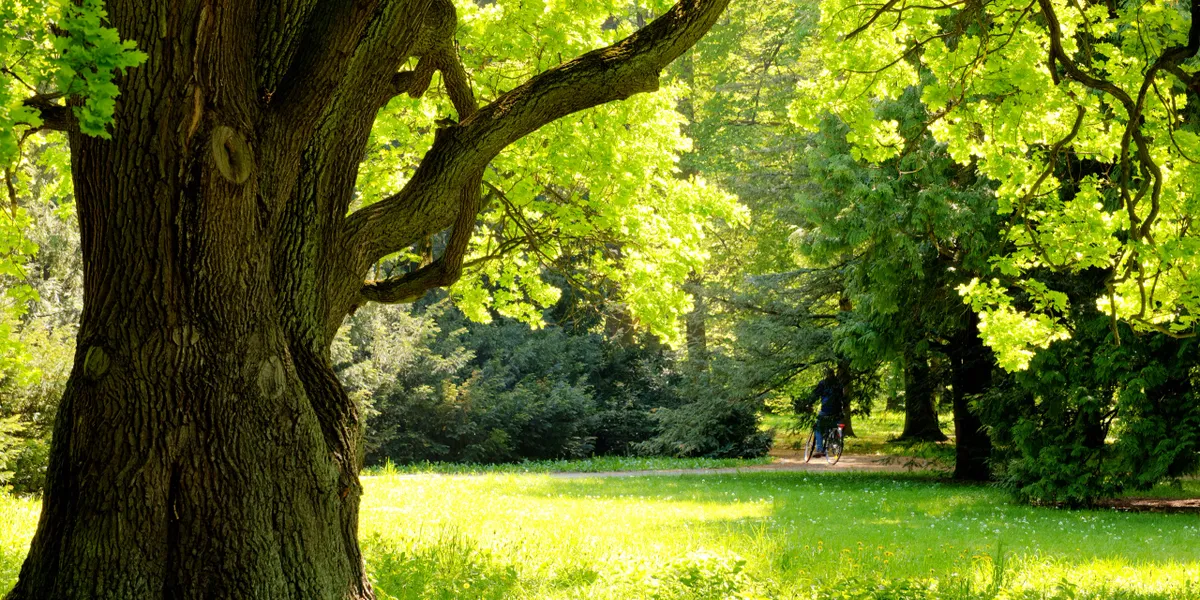


Healthy trees are among the most valuable assets on any residential or commercial property. They provide cooling shade during the summer, increase curb appeal, improve property value, help manage stormwater, and create inviting outdoor spaces. Throughout Andover, Sparta, Denville, Kinnelon, Blairstown, Morristown, Hopatcong, Byram Township, Sussex County, and Morris County, mature trees are an important part of the landscape, but they also require ongoing attention to remain healthy and structurally sound.
Many tree problems begin gradually. A tree may appear healthy from a distance while developing issues beneath the bark, within the root system, or high in the canopy. Ignoring these early warning signs can lead to expensive property damage, declining tree health, or hazardous conditions during severe weather.
At Global Shade Tree Professionals, the team believes that proactive care is the best investment a property owner can make. With more than 30 years of experience and leadership from an ISA Certified Arborist, the company focuses on helping homeowners identify problems early and provide solutions that protect both trees and landscapes.
Why Regular Tree Inspections Matter
Trees constantly respond to changing environmental conditions. Heavy rain, strong winds, drought, compacted soil, insects, disease, and construction activity can all affect a tree’s health over time.
Many homeowners assume a tree is healthy simply because it still has leaves. In reality, visible foliage is only one part of a tree’s overall condition. Internal decay, root damage, and structural weaknesses may develop long before obvious symptoms appear.
Routine inspections allow experienced professionals to identify concerns before they become emergencies. Early intervention often preserves mature trees while reducing long-term maintenance costs.
For property owners throughout Sparta, Andover, Morristown, Denville, Kinnelon, and Blairstown, regular tree evaluations are one of the most effective ways to maintain safe and attractive landscapes.
Warning Sign #1: Dead or Hanging Branches
Dead branches are among the most obvious indicators that a tree requires professional attention.
Large dead limbs can:
- Fall without warning
- Damage roofs and vehicles
- Block driveways
- Injure people or pets
- Create liability concerns for property owners
Sometimes only a portion of the canopy is affected. Deadwood often develops because of storm damage, disease, insect activity, or natural aging.
Professional pruning removes hazardous branches while improving the tree’s structure and reducing future risks.
Ignoring dead limbs only allows the problem to worsen over time.
Warning Sign #2: Cracks in the Trunk
Tree trunks naturally develop textured bark, but large cracks or splits deserve immediate attention.
These openings may indicate:
- Internal decay
- Structural weakness
- Storm damage
- Frost injury
- Mechanical damage
While not every crack means a tree must be removed, it does signal that further evaluation is necessary.
Experienced tree care professionals assess the severity of trunk damage and determine whether corrective pruning, cabling, or removal is the safest option.
Warning Sign #3: Leaning Trees
Not every leaning tree is dangerous.
Many mature trees naturally grow at slight angles.
However, sudden changes in lean may indicate:
- Root failure
- Soil movement
- Wind damage
- Saturated soil
- Structural instability
If homeowners notice that a tree appears to lean more than it previously did, especially after storms, professional evaluation should not be delayed.
A leaning tree located near:
- Homes
- Garages
- Driveways
- Sidewalks
- Outdoor living spaces
- Utility lines
should always be inspected promptly.
Warning Sign #4: Sparse Leaves or Thin Canopies
Healthy trees generally produce full, vibrant foliage during the growing season.
A thinning canopy can indicate several underlying issues, including:
- Root stress
- Nutrient deficiencies
- Disease
- Insect infestations
- Soil compaction
- Environmental stress
Trees often display symptoms long before they completely decline.
Professional tree healthcare programs frequently include:
- Soil evaluations
- Fertilization
- Root zone improvement
- Disease diagnosis
- Organic pest management
Addressing these concerns early helps many trees recover before permanent damage occurs.
Warning Sign #5: Mushrooms Around the Base of the Tree
Many homeowners are surprised to learn that mushrooms growing near a tree can signal internal decay.
While not every mushroom indicates serious problems, fungal growth around the trunk or root flare often deserves professional inspection.
Fungi feed on decaying organic material.
When decay develops inside roots or the lower trunk, structural stability may become compromised.
Professional assessments determine:
- Whether decay is active
- The extent of internal damage
- Whether treatment is possible
- Whether removal is recommended for safety
Early diagnosis often prevents unexpected failures during storms.
Warning Sign #6: Bark Falling Off
Healthy bark serves as the protective skin of the tree.
Large areas of missing bark may indicate:
- Disease
- Mechanical injury
- Sunscald
- Insect activity
- Internal decline
Because bark protects the tree’s vascular system, significant damage may interfere with nutrient movement throughout the tree.
Trees experiencing bark loss should always be evaluated before additional symptoms develop.
Warning Sign #7: Insect Activity
Northern New Jersey trees face pressure from numerous insects throughout the growing season.
Property owners may notice:
- Small holes in bark
- Sawdust around the trunk
- Premature leaf drop
- Sticky residue
- Webbing
- Leaf discoloration
- Unusual dieback
Many insect problems can be managed successfully when detected early.
Global Shade Tree Professionals provides organic pest management and tree healthcare programs designed to protect valuable landscape trees while supporting long-term plant health.
Tree Care Is About More Than Appearance
Many people think tree care is primarily cosmetic.
In reality, professional tree care protects:
- Family safety
- Property value
- Landscape investments
- Building structures
- Outdoor living spaces
Healthy trees also:
- Improve air quality
- Reduce heat around homes
- Increase privacy
- Support wildlife
- Enhance neighborhood beauty
Routine maintenance allows trees to continue providing these benefits for decades.
Common Tree Problems Seen Throughout Northern New Jersey
Communities including Andover, Sparta, Denville, Kinnelon, Blairstown, Morristown, Hopatcong, and Byram Township experience similar environmental challenges.
These include:
- Strong thunderstorms
- Heavy snowfall
- Ice accumulation
- Summer drought
- Compact clay soils
- Seasonal insect pressure
Each of these conditions places stress on trees.
Regular inspections and preventive care help minimize damage before it becomes expensive to correct.
The Benefits of Professional Tree Fertilization
Many homeowners assume mature trees no longer require fertilization because they have survived for decades. In reality, urban and suburban landscapes are very different from natural forests. Fallen leaves are often removed, lawns compete for nutrients, and soil becomes compacted over time, making it more difficult for roots to access the nutrients they need.
Professional fertilization programs help restore nutrients directly to the root zone, encouraging:
- Stronger root development
- Healthier foliage
- Improved resistance to drought and environmental stress
- Better recovery from storm damage
- Increased resistance to insects and disease
- Long-term tree vitality
Properties throughout Andover, Sparta, Denville, Kinnelon, Blairstown, Morristown, Hopatcong, Byram Township, Sussex County, and Morris County often benefit from customized fertilization plans because local soil conditions can vary considerably. Global Shade Tree Professionals offers deep-root fertilization and soil enhancement tailored to each property’s needs.
Healthy Trees Support Healthier Landscapes
Tree care extends well beyond pruning and fertilization. A healthy landscape also depends on managing insects that can affect outdoor enjoyment and plant health.
Mosquitoes and ticks are common throughout wooded properties, neighborhoods with mature trees, and landscapes with dense vegetation. Organic pest management programs can help reduce these populations while supporting a healthier outdoor environment for families, pets, and visitors. Global Shade Tree Professionals provides organic pest control alongside tree healthcare to create a more comprehensive landscape management approach.
For homeowners who enjoy spending time outdoors, maintaining healthy trees while reducing pest activity helps make patios, decks, gardens, and play areas more comfortable throughout the season.
Residential and Commercial Tree Care
Professional tree healthcare benefits more than homeowners.
Commercial properties also rely on healthy trees to create welcoming environments for customers, employees, and visitors.
Examples include:
- Office buildings
- Retail centers
- Apartment communities
- Schools
- Churches
- Municipal properties
- Homeowners’ associations
- Medical facilities
Well-maintained landscapes help reinforce a professional appearance while reducing liability associated with damaged or hazardous trees.
Whether caring for a single ornamental tree or an extensive commercial landscape, proactive maintenance protects long-term investments.
Preventive Tree Care Saves Money
Many emergency tree situations begin as small, manageable issues.
A branch with minor damage today may become a major hazard after the next thunderstorm.
Likewise, nutrient deficiencies that initially cause slow growth may eventually contribute to declining health and expensive tree removal if left untreated.
Preventive tree care often includes:
- Annual inspections
- Structural pruning
- Deep-root fertilization
- Soil improvement
- Disease monitoring
- Organic pest management
- Seasonal evaluations
Taking action early frequently costs less than responding to emergencies later.
A Long-Term Investment in Property Value
Healthy, mature trees are among the most valuable landscape features on residential and commercial properties.
Well-maintained trees can:
- Enhance curb appeal
- Improve outdoor comfort with natural shade
- Define outdoor living spaces
- Support environmental sustainability
- Increase the overall attractiveness of a property
Routine care helps preserve these benefits while reducing the likelihood of unexpected problems.
For property owners throughout Andover, Sparta, Denville, Kinnelon, Blairstown, Morristown, Hopatcong, Byram Township, Sussex County, Morris County, and surrounding Northern New Jersey communities, professional tree healthcare is an investment in both safety and long-term landscape health.
Conclusion
Trees work quietly every day to improve the beauty, comfort, and value of a property, but they cannot communicate when they begin to struggle.
Recognizing warning signs such as dead branches, thinning canopies, trunk cracks, fungal growth, bark loss, insect activity, and leaning trees allows property owners to address issues before they become significant safety hazards.
Routine inspections, proper fertilization, disease diagnosis, and organic pest management all contribute to healthier trees and stronger landscapes. Rather than waiting for visible decline or storm damage, proactive care helps preserve mature trees for future generations while protecting homes, businesses, and outdoor spaces.
Frequently Asked Questions
1. How often should mature trees be professionally inspected?
Most healthy trees benefit from a professional inspection every year, while older trees or those near structures may require more frequent evaluations.
2. Can a tree look healthy but still have serious problems?
Yes. Internal decay, root damage, and structural weaknesses often develop before visible symptoms appear.
3. Are dead branches always dangerous?
Dead branches can become unstable and may fall unexpectedly, especially during high winds, heavy rain, or winter storms.
4. Why is fertilization important for mature trees?
Fertilization replaces nutrients that are often depleted in maintained landscapes, helping improve root health, vigor, and resistance to stress.
5. Can insect damage be treated before a tree declines?
Early diagnosis allows many insect problems to be managed before they cause significant damage to the tree.
6. What causes trees to develop thin canopies?
Common causes include nutrient deficiencies, drought stress, compacted soil, disease, insects, and root problems.
7. Why are mushrooms growing near my tree?
Some mushrooms may indicate decay within the root system or lower trunk and should be professionally evaluated.
8. Do commercial properties benefit from tree healthcare programs?
Yes. Routine tree care helps improve safety, appearance, and long-term landscape value for commercial properties.
9. What services help keep trees healthy throughout the year?
Professional pruning, disease diagnosis, organic pest management, fertilization, and routine inspections all contribute to long-term tree health.
10. Why choose Global Shade Tree Professionals?
Global Shade Tree Professionals has been serving Northern New Jersey for more than 30 years under the leadership of an ISA Certified Arborist. The company provides professional tree healthcare, disease diagnosis, organic pest control, fertilization, and customized plant health solutions for residential and commercial properties throughout Andover, Sparta, Denville, Kinnelon, Blairstown, Morristown, Hopatcong, Byram Township, Sussex County, Morris County, Warren County, and surrounding communities, with a focus on protecting the long-term health, beauty, and safety of every landscape.
Contact Global Shade Tree Professionals
Whether your trees need routine maintenance, disease diagnosis, fertilization, or organic pest management, Global Shade Tree Professionals is committed to helping residential and commercial property owners maintain healthy, beautiful landscapes throughout Northern New Jersey.
Call: (973) 398-0682
Website: https://globalshadetree.com
Request a Free Estimate Today
Protect your investment with professional tree and shrub healthcare from a team led by an ISA Certified Arborist and backed by more than 30 years of experience.