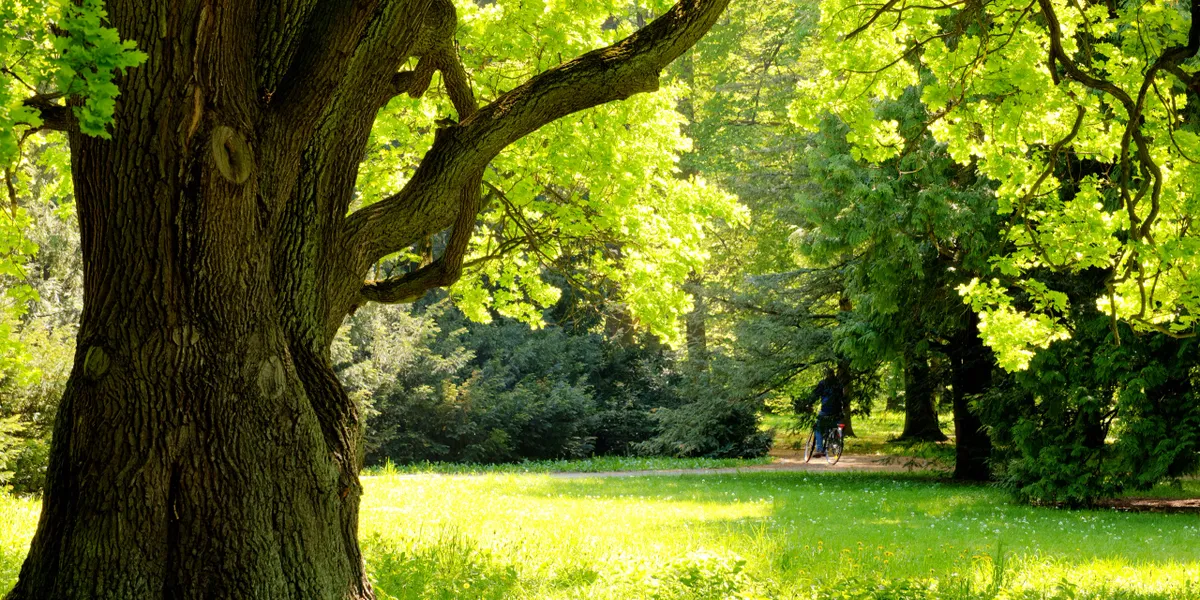


When homeowners admire a mature oak, maple, or ornamental tree, they often focus on its lush canopy, strong branches, or beautiful seasonal colors. What many people never see, however, is the most important part of the tree—the root system beneath the ground.
Healthy soil is the foundation of every healthy tree.
Throughout Andover, Sparta, Denville, Kinnelon, Blairstown, Morristown, Hopatcong, Byram Township, Sussex County, Morris County, and surrounding Northern New Jersey communities, trees face challenges that go far beyond changing weather. Soil compaction, nutrient depletion, construction activity, drought, excessive rainfall, and everyday landscape maintenance all influence whether trees continue to thrive or begin to decline.
At Global Shade Tree Professionals, tree healthcare starts below the surface. Led by an ISA Certified Arborist with more than 30 years of experience, the company provides tree healthcare, disease diagnosis, fertilization, and organic plant health programs that address the underlying conditions affecting tree vitality.
The Hidden World Beneath Every Tree
Most people think of roots simply as anchors that hold trees upright.
In reality, roots perform several critical functions.
They:
- Absorb water
- Collect nutrients
- Store energy
- Support tree stability
- Supply oxygen to living tissues
- Help trees recover from environmental stress
A healthy root system depends entirely on healthy soil.
Without proper soil conditions, even large mature trees struggle to obtain everything they need for continued growth.
Unlike forests, where fallen leaves naturally decompose and return nutrients to the earth, residential and commercial landscapes often interrupt this cycle by removing leaves, mowing lawns, and compacting the soil through regular foot traffic. These conditions gradually reduce soil quality and tree vigor.
Why Soil Health Changes Over Time
Many homeowners assume that soil never changes.
In reality, soil is constantly evolving.
Several factors influence soil quality:
Construction Projects
Building additions, patios, driveways, or walkways often compress soil around nearby trees.
Compacted soil reduces the movement of:
- Air
- Water
- Nutrients
Tree roots need all three to survive.
Heavy Foot Traffic
Lawns frequently used by children, pets, or visitors gradually become more compact.
This makes it difficult for fine feeder roots to grow and absorb nutrients.
Weather Extremes
Northern New Jersey experiences:
- Heavy spring rains
- Summer heat
- Winter freezes
- Seasonal drought
These changing conditions place continual stress on both soil and roots.
Routine Landscape Maintenance
Although beautiful landscapes are carefully maintained, common practices such as:
- Leaf removal
- Intensive mowing
- Limited organic matter
- Repeated lawn treatments
can slowly reduce the nutrients available to nearby trees.
Over time, trees begin showing signs of stress that many homeowners mistakenly attribute solely to age.
Common Signs of Poor Soil Health
The earliest signs of poor soil often appear in the tree itself.
Property owners throughout Sparta, Andover, Morristown, Denville, and Kinnelon may notice:
- Slower annual growth
- Smaller leaves
- Yellowing foliage
- Sparse canopies
- Early leaf drop
- Dead branch tips
- Reduced flowering
- Increased insect activity
These symptoms frequently develop long before a tree reaches a critical stage.
Early diagnosis allows corrective action before permanent damage occurs.
Soil Compaction: One of the Biggest Threats to Trees
One of the most common problems affecting urban and suburban landscapes is soil compaction.
Healthy soil contains thousands of tiny air spaces.
These spaces allow:
- Water to penetrate
- Oxygen to reach roots
- Beneficial organisms to thrive
- Roots to expand naturally
When soil becomes compacted, those air pockets disappear.
The result is slower root development and increased stress on the tree.
Compacted soil often occurs around:
- Driveways
- Sidewalks
- New construction
- Parking areas
- Outdoor gathering spaces
- Commercial properties
Professional soil enhancement programs help restore healthier growing conditions by improving the root zone where trees absorb essential nutrients.
Nutrients Trees Need to Thrive
Trees require far more than sunlight and water.
Healthy soil provides a balance of essential nutrients that support:
- Root growth
- Leaf production
- Branch strength
- Disease resistance
- Seasonal development
When nutrients become depleted, trees become more vulnerable to:
- Environmental stress
- Drought
- Insects
- Disease
- Storm damage
Professional evaluations help determine whether declining trees are suffering from nutrient deficiencies or another underlying issue.
The Relationship Between Soil and Disease
Many diseases begin when trees are already stressed.
A weakened tree cannot defend itself as effectively against fungal pathogens or insect infestations.
Healthy soil helps trees:
- Produce stronger root systems
- Develop healthier foliage
- Recover more quickly from weather extremes
- Better tolerate seasonal stress
Rather than treating only visible symptoms, comprehensive tree healthcare focuses on improving the overall growing environment.
This proactive approach supports healthier trees over the long term. Global Shade Tree Professionals emphasizes integrated tree healthcare that combines soil improvement, disease diagnosis, fertilization, and ongoing monitoring.
Residential Landscapes Benefit from Healthy Soil
Many homeowners invest significantly in landscaping.
Healthy trees contribute to:
- Greater curb appeal
- Comfortable shade
- Increased privacy
- Outdoor enjoyment
- Long-term property value
When soil health declines, those investments may also begin to decline.
Routine evaluations help identify problems before they require costly corrective measures.
Whether caring for mature shade trees or ornamental landscape plantings, improving soil quality often produces noticeable long-term benefits.
Commercial Properties Also Depend on Healthy Trees
Commercial landscapes create first impressions.
Businesses throughout Morristown, Denville, Sparta, Andover, and surrounding Northern New Jersey communities often maintain trees around:
- Office buildings
- Shopping centers
- Medical facilities
- Apartment communities
- Schools
- Municipal properties
Healthy trees help create welcoming environments while supporting property appearance and long-term landscape value.
Preventive tree healthcare programs help commercial property managers protect these investments year after year.
How Professional Soil Enhancement Supports Long-Term Tree Health
Healthy soil does not happen by accident. Over time, natural processes and human activity can reduce the quality of the soil surrounding trees. Professional soil enhancement focuses on improving the environment where roots grow so trees can access the water, oxygen, and nutrients they need to remain healthy.
Rather than simply treating visible symptoms, a comprehensive tree healthcare program evaluates the conditions below the surface. Soil structure, drainage, root development, and nutrient availability all influence the long-term health of trees and shrubs.
At Global Shade Tree Professionals, tree healthcare programs are designed to strengthen trees from the ground up through customized fertilization, disease diagnosis, and ongoing plant health care.
Deep-Root Fertilization: Feeding Trees Where They Need It Most
Unlike surface fertilization used for lawns, deep-root fertilization places nutrients directly into the soil where tree roots can absorb them.
This approach offers several benefits:
- Encourages deeper root growth
- Improves nutrient absorption
- Reduces runoff
- Helps trees recover from environmental stress
- Supports healthier foliage and stronger branches
- Improves overall vigor
For mature trees throughout Andover, Sparta, Denville, Kinnelon, Blairstown, Morristown, Hopatcong, and Byram Township, deep-root fertilization can be an important part of a long-term tree healthcare program.
Healthy Soil Helps Trees Handle Weather Extremes
Northern New Jersey experiences a wide variety of weather conditions throughout the year.
Trees must adapt to:
- Heavy spring rainfall
- Summer heat
- Periods of drought
- Strong thunderstorms
- Winter snow
- Ice accumulation
- Wind events
Trees growing in healthy soil generally recover more effectively because their root systems are better equipped to access water and nutrients during stressful conditions.
Healthy soil also helps reduce long-term stress that may make trees more susceptible to disease or insect activity.
Organic Tree Healthcare Starts Below the Surface
Tree health is about much more than pruning branches.
Healthy landscapes require attention to:
- Soil quality
- Root health
- Nutrient availability
- Disease prevention
- Insect monitoring
- Environmental conditions
Organic tree healthcare programs focus on improving the overall growing environment rather than simply reacting when problems become visible.
This proactive approach supports healthier trees while contributing to a more sustainable landscape.
Trees and Shrubs Work Together
Many residential and commercial landscapes include a combination of mature trees, ornamental trees, shrubs, hedges, and decorative plantings.
These plants often share the same soil environment.
When soil quality declines, multiple landscape plants may begin showing symptoms at the same time.
A comprehensive tree and shrub healthcare program helps maintain the health of the entire landscape rather than treating each plant individually after problems develop.
Preventing Problems Before They Start
One of the greatest advantages of routine tree healthcare is prevention.
Professional monitoring allows small concerns to be addressed before they become significant problems.
Preventive care may include:
- Annual inspections
- Soil evaluations
- Fertilization programs
- Disease monitoring
- Organic pest management
- Tree health assessments
- Shrub evaluations
For homeowners and commercial property managers alike, preventive maintenance often costs less than emergency tree work while preserving mature landscapes for years to come.
Supporting Residential and Commercial Properties
Every property is different.
Residential landscapes often focus on:
- Shade
- Outdoor living
- Privacy
- Family enjoyment
- Property value
Commercial properties prioritize:
- Professional appearance
- Safety
- Customer experience
- Long-term landscape investments
Global Shade Tree Professionals works with both residential and commercial clients throughout Andover, Sparta, Denville, Kinnelon, Blairstown, Morristown, Hopatcong, Byram Township, Sussex County, Morris County, and surrounding Northern New Jersey communities, providing customized tree healthcare programs designed for each property’s unique needs.
Healthy Soil Today Means Healthier Trees Tomorrow
Trees often live for decades, and in many cases, generations.
The decisions made today influence how those trees perform years from now.
Investing in healthy soil helps:
- Improve long-term tree stability
- Encourage vigorous growth
- Reduce environmental stress
- Support healthier root systems
- Enhance landscape beauty
- Protect valuable property investments
Rather than waiting until trees begin to decline, proactive tree healthcare creates the conditions necessary for continued growth and longevity.
Conclusion
Every healthy tree begins with healthy soil.
Although leaves, branches, and trunks receive the most attention, the root system below the surface determines how well a tree can withstand changing weather, recover from stress, and continue growing year after year.
For homeowners and businesses throughout Andover, Sparta, Denville, Kinnelon, Blairstown, Morristown, Hopatcong, Byram Township, Sussex County, and Morris County, maintaining healthy soil is one of the most effective ways to preserve mature trees and protect long-term landscape investments.
Routine inspections, customized fertilization, disease diagnosis, and comprehensive tree healthcare programs all work together to create stronger, healthier landscapes that continue providing beauty, shade, and value for many years.
Frequently Asked Questions
1. Why is healthy soil important for trees?
Healthy soil supplies the water, oxygen, and nutrients that trees need to develop strong root systems and maintain vigorous growth.
2. Can poor soil affect mature trees?
Yes. Even well-established trees can decline if soil becomes compacted or nutrient-deficient.
3. What causes soil compaction?
Construction, heavy foot traffic, vehicle traffic, repeated mowing, and natural settling all contribute to soil compaction.
4. What is deep-root fertilization?
Deep-root fertilization delivers nutrients directly into the root zone, helping trees absorb nutrients more efficiently than surface applications.
5. How often should trees be professionally evaluated?
Most residential and commercial landscapes benefit from annual tree health inspections, although some properties may require more frequent monitoring.
6. Does healthy soil help reduce disease?
Healthy trees growing in nutrient-rich soil are generally better able to tolerate environmental stress and resist many common diseases.
7. Can shrubs benefit from soil improvement too?
Yes. Shrubs and ornamental plants share many of the same soil requirements as trees and often benefit from comprehensive plant healthcare.
8. Why do trees decline even when they receive enough water?
Tree health depends on many factors besides watering, including soil structure, nutrient availability, root health, and overall growing conditions.
9. Do commercial properties need tree healthcare programs?
Yes. Regular maintenance helps commercial landscapes remain attractive, safe, and healthy while protecting long-term property investments.
10. Why choose Global Shade Tree Professionals?
Global Shade Tree Professionals provides professional tree healthcare, disease diagnosis, organic pest control, tree and shrub fertilization, and customized plant health programs throughout Andover, Sparta, Morristown, Byram, Hopatcong, Denville, Kinnelon, Blairstown, Sussex County, Morris County, and surrounding Northern New Jersey communities. Led by an ISA Certified Arborist with more than 30 years of experience, the team is committed to helping residential and commercial clients maintain healthier landscapes through proactive, science-based tree care.
Contact Global Shade Tree Professionals
Healthy landscapes begin with healthy trees—and healthy trees begin with healthy soil.
Whether your property needs professional tree healthcare, disease diagnosis, customized fertilization, organic pest management, or long-term tree and shrub care, Global Shade Tree Professionals is ready to help.
📞 Phone: (973) 398-0682
🌐 Website: https://globalshadetree.com
Contact us today to schedule a consultation and discover how proactive tree healthcare can protect and enhance your residential or commercial landscape throughout Northern New Jersey.