
Shrubs are some of the hardest-working plants in a residential or commercial landscape.
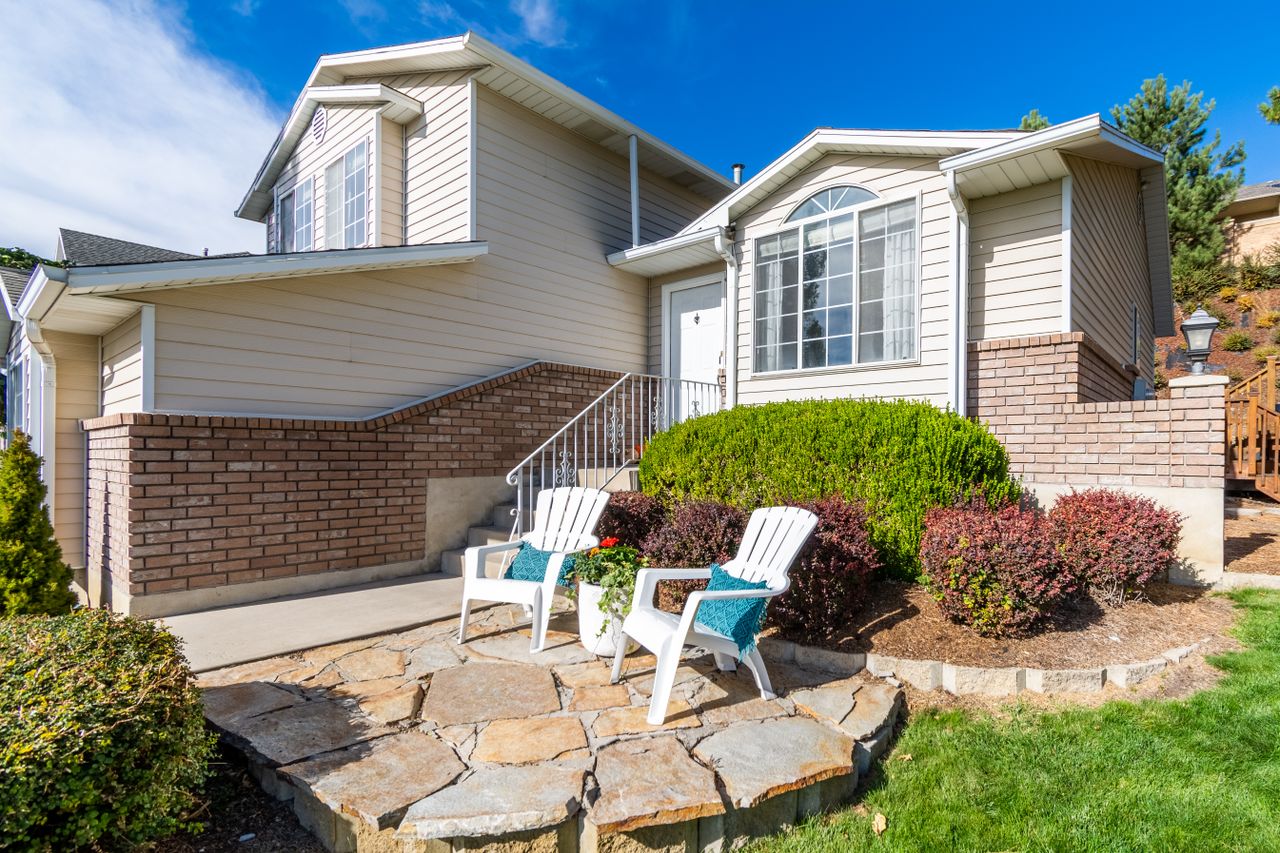
They frame houses, soften foundations, create privacy, line walkways, define property boundaries, surround patios, and add year-round structure to outdoor spaces.
Yet shrubs are often overlooked until something is clearly wrong.
A homeowner may suddenly notice that one side of a shrub has become bare. Leaves may begin turning yellow. Flowering may decline. Branch tips may die back. An established hedge may look healthy on the outside while becoming increasingly woody and empty inside.
For property owners throughout Andover, Sparta, Denville, Kinnelon, Blairstown, Morristown, and surrounding Northern New Jersey communities, these changes can be early signs that a shrub needs more than routine trimming.
At Global Shade Tree Professionals, we believe professional shrub care should focus on the health of the entire plant, not simply keeping it a certain size.
Shrub Decline Usually Happens Gradually
One of the biggest challenges with shrub care is that decline can be slow.
Unlike a broken tree limb or a sudden storm-damaged tree, shrub problems may develop over several growing seasons.
Early signs can include:
- Sparse foliage
- Yellowing leaves
- Bare interior branches
- Reduced flowering
- Dead branch tips
- Uneven growth
- Smaller leaves
- Sections of the shrub declining faster than others
Because shrubs are often grouped together in landscape beds, one unhealthy plant may also be easy to overlook among healthier neighboring plants.
By the time the decline becomes obvious from the driveway or street, the underlying problem may already be well established.
Overgrown Shrubs Are Not Necessarily Healthy Shrubs
Fast growth can create the impression that a shrub is thriving.
However, excessive outer growth does not always mean the entire plant is healthy.
Repeated surface shearing can sometimes produce a dense outer shell of foliage while the interior receives less sunlight and develops increasingly woody growth. Rutgers NJAES specifically notes that frequent shearing can shade the interior and reduce new growth from the base over time.
This is important for homeowners in Morristown, Denville, and Sparta, where formal foundation plantings and hedges are common landscape features.
The goal of professional shrub pruning should not simply be making every plant into a tight geometric shape.
Instead, pruning should consider:
- The natural growth habit of the shrub
- Plant health
- Flowering time
- Available space
- Branch structure
- Landscape function
A shrub planted for privacy may need a different approach from a flowering ornamental beside a front entrance.
Pruning Timing Can Affect Flowering
One of the most common shrub-care mistakes involves pruning at the wrong time.
Different shrubs develop flower buds at different points in their growth cycle.
Some spring-flowering shrubs produce flower buds on growth from the previous year. If those shrubs are pruned heavily before they flower, many of the flower buds may be removed.
Other shrubs bloom on new growth and are managed differently.
Rutgers NJAES advises that pruning schedules should reflect when a particular shrub flowers and how it produces new growth.
This means a single annual trimming schedule may not be appropriate for every shrub on the property.
A landscape in Kinnelon may contain rhododendrons, hydrangeas, ornamental shrubs, and evergreen hedges, each with different requirements.
Professional shrub care helps avoid treating every plant as though it were identical.
Dead, Diseased, and Damaged Branches Deserve Attention
Shrubs often benefit when dead or damaged wood is removed.
Dead branches do not contribute to the plant and can interfere with overall appearance.
Damaged branches may also create weak areas or openings where other problems develop.
Rutgers recommends prioritizing dead, diseased, damaged, and crossing growth when pruning shrubs.
Homeowners should watch for:
- Branches with no leaves during the growing season
- Broken stems
- Dark or sunken areas on branches
- Repeated dieback from the same section
- Branches rubbing against each other
- Discolored or distorted stems
These symptoms do not automatically mean the entire shrub needs to be removed.
In many cases, selective pruning and proper diagnosis may help preserve the plant.
Insect Problems Can Hide Inside Dense Shrubs
Shrubs provide ideal hiding places for many insects.
Because branches are dense and leaves overlap, early pest activity can be difficult to see from a distance.
Homeowners may first notice symptoms such as:
- Sticky leaves
- Fine webbing
- Leaf curling
- Small bumps along stems
- Chewed foliage
- Discolored patches
- Early leaf drop
- Reduced growth
Not every insect requires treatment.
Many insects cause little meaningful damage, while others can seriously weaken particular shrubs.
Professional pest control starts with identifying what is present and deciding whether treatment is justified.
This approach is especially important for property owners interested in organic pest control in Sparta, Andover, Denville, Kinnelon, Blairstown, and Morristown.
The objective should be targeted management, not unnecessary treatment.
Shrub Disease Can Look Like Many Other Problems
Disease symptoms can easily be confused with watering problems, pest damage, or nutritional stress.
Possible signs include:
- Leaf spots
- Powder-like coatings
- Blackened tissue
- Branch dieback
- Cankers
- Premature leaf drop
- Discolored stems
- Wilting despite adequate moisture
Some shrub diseases are influenced by environmental conditions such as poor airflow, excessive moisture, or unfavorable planting locations.
Rutgers guidance for several ornamental shrubs emphasizes good drainage, appropriate site conditions, and maintaining plant vigor as important parts of reducing disease problems.
That means treatment may involve more than simply addressing the visible symptom.
Improving the growing environment can be just as important.
Soil Problems Affect Shrubs More Than Many Homeowners Realize
Shrubs depend heavily on healthy roots.
Foundation plantings, however, often grow in difficult soil.
Construction around homes can leave soil compacted or poorly structured. Drainage patterns may direct too much water toward planting beds. Decorative landscaping can sometimes hide soil problems beneath mulch.
Common root-zone concerns include:
- Compacted soil
- Poor drainage
- Excessive moisture
- Drought
- Limited root space
- Nutrient deficiencies
- Excess mulch
- Competition from nearby plants
If several shrubs in the same area begin declining at the same time, homeowners should consider whether the growing environment itself may be contributing.
Replacing shrubs one after another without solving the underlying soil or drainage issue can lead to repeated failure.
Too Much Mulch Can Cause Problems
Mulch can be very useful around shrubs.
It can help conserve soil moisture, moderate soil temperature, and suppress weeds.
However, more mulch is not automatically better.
Excessively deep mulch can keep the root zone too wet or interfere with healthy roots. Rutgers guidance for ornamental shrubs recommends keeping mulch relatively shallow and away from main stems in order to avoid potential problems.
Homeowners should avoid allowing shrubs to become buried beneath large mounds of mulch.
A proper mulch layer should support plant health rather than cover the base of the plant.
Shrub Fertilization Can Support Healthy Growth
Shrub fertilization can be valuable when soil or plant conditions indicate that additional nutrition is needed.
Potential benefits can include support for:
- Healthy foliage
- Root growth
- New shoots
- Flowering
- Recovery from stress
However, fertilizer should not be treated as a cure for every problem.
A shrub experiencing root rot, pest damage, severe drainage problems, or disease may need a completely different response.
That is why professional shrub fertilization should be part of a broader plant-healthcare plan.
At Global Shade Tree Professionals, we consider plant condition, soil, pests, disease symptoms, and the surrounding landscape before deciding what type of care may be appropriate.
Shrub Care Can Also Support Mosquito Management
Shrubs do more than affect the appearance of a property.
Dense vegetation can create shaded, protected resting areas for mosquitoes.
Overgrown plantings around patios, decks, walkways, and outdoor seating areas may contribute to conditions where mosquitoes are more noticeable.
Thoughtful shrub maintenance can help improve airflow and reduce unnecessary density without removing healthy plants.
This can be particularly useful around outdoor living areas in Sparta, Morristown, Denville, and Kinnelon.
Professional shrub care and mosquito management can therefore complement each other.
Shrub Care Can Also Influence Tick Habitat
Ticks are more closely associated with ground-level vegetation, leaf litter, wooded edges, and wildlife movement.
Dense shrub beds near wooded property boundaries can sometimes create transition areas between maintained landscapes and natural habitat.
For properties in Andover, Blairstown, Sparta, and Kinnelon, where wooded edges are common, maintaining shrubs and removing excessive debris around frequently used areas can support a broader tick-management strategy.
The goal is not to remove healthy shrubs.
It is to prevent neglected areas from becoming unnecessarily dense and difficult to manage.
Why Shrubs Sometimes Become Bare at the Bottom
Homeowners often ask why an established shrub looks full at the top but increasingly bare near the ground.
Several factors may contribute.
Repeated shearing can create dense outer growth that blocks light from reaching the lower and interior portions of the shrub. Rutgers notes that hedges should generally be maintained so light can reach the lower canopy rather than allowing the top to become wider than the base.
Other causes may include:
- Age
- Shade
- Crowding
- Disease
- Pest damage
- Poor pruning
- Root stress
Professional pruning may help some shrubs regenerate lower growth, but the correct strategy depends on the plant.
Can an Old Shrub Be Rejuvenated?
Sometimes.
Certain multi-stemmed shrubs can respond well to renewal or rejuvenation pruning.
This involves removing older stems so younger growth can develop.
Rutgers notes that renewal pruning can help maintain continuous new growth in suitable shrubs, while more aggressive rejuvenation may be used periodically on certain species.
However, not every shrub responds the same way.
Aggressive cutting without understanding the plant can create unnecessary stress or ruin flowering.
Professional evaluation helps determine whether rejuvenation is appropriate or whether replacement makes more sense.
When Is Shrub Replacement the Better Choice?
Professional shrub care does not mean trying to save every plant forever.
Sometimes replacement is the most practical option.
This may be appropriate when:
- Most of the plant is dead
- Root problems are severe
- Disease has caused extensive decline
- The shrub has repeatedly failed to recover
- The plant is fundamentally unsuitable for the location
- It has drastically outgrown the available space
- Structural deterioration is extensive
However, a shrub that simply looks tired or partially thin may still have useful recovery potential.
Evaluation should come before removal whenever possible.
Commercial Shrub Care Matters Too
Shrubs play an important role in commercial landscapes.
They frequently surround:
- Building entrances
- Signs
- Parking lots
- Walkways
- Outdoor seating
- Apartment common areas
- Office campuses
Overgrown shrubs can block signage or reduce visibility.
Declining shrubs can make a property appear neglected even when the building itself is well maintained.
For commercial properties in Morristown, Denville, Sparta, Andover, Kinnelon, and surrounding Northern New Jersey communities, routine shrub healthcare can help maintain a professional and welcoming appearance.
Shrub Care Should Be Part of a Complete Landscape Program
Trees, shrubs, soil, pests, and outdoor living areas are all connected.
A shrub with poor soil conditions may become stressed.
A stressed shrub may become more vulnerable to pests.
Dense shrubs may contribute to mosquito resting areas.
Leaf accumulation beneath shrubs near wooded edges may contribute to tick-friendly habitat.
Professional property care works best when these relationships are understood.
Depending on the landscape, a complete program may include:
- Shrub healthcare
- Tree healthcare
- Organic pest control
- Disease diagnosis
- Fertilization
- Mosquito control
- Tick control
- Ongoing monitoring
Frequently Asked Questions About Shrub Care
1. How can a homeowner tell whether a shrub is unhealthy?
Common warning signs include thinning foliage, dead branches, discoloration, poor flowering, uneven growth, and repeated dieback.
2. Should all shrubs be trimmed at the same time?
No. Different shrub species flower and grow differently, so pruning timing should depend on the particular plant.
3. Can repeated hedge shearing damage shrubs?
Repeated shearing can create dense outer foliage and shade the interior, which may result in woody lower growth and reduced flowering in some shrubs.
4. Can shrubs be professionally fertilized?
Yes. Professional fertilization can support shrub growth when plant and soil conditions indicate that added nutrients are appropriate.
5. Why are shrubs bare on the inside?
Dense outer growth, lack of light, aging wood, poor pruning, and other stress factors can contribute to interior thinning.
6. Can old shrubs be restored?
Some shrubs respond well to renewal or rejuvenation pruning, but suitability depends on species and overall condition.
7. Should mulch touch shrub stems?
Mulch should generally be kept away from main stems rather than piled directly against them.
8. Can insects cause shrub dieback?
Yes, although disease, roots, moisture, and other stress factors can create similar symptoms. Accurate diagnosis is important.
9. Can shrub care help with mosquito and tick control?
Maintaining overly dense vegetation and reducing excessive debris around outdoor-use areas can complement mosquito and tick-management strategies.
10. Who provides professional shrub care in Northern New Jersey?
Global Shade Tree Professionals provides shrub healthcare, tree healthcare, organic pest management, fertilization, disease diagnosis, mosquito control, and tick control for residential and commercial properties throughout Andover, Sparta, Denville, Kinnelon, Blairstown, Morristown, and surrounding Northern New Jersey communities.
Healthy Shrubs Help Create a Healthier Property
Shrubs may be smaller than mature trees, but their effect on a property can be enormous.
Healthy shrubs create privacy, frame buildings, add seasonal interest, define outdoor areas, and connect the entire landscape visually.
When shrubs begin declining, the best response is not always more trimming.
The problem may involve pruning practices, pests, disease, nutrition, drainage, soil conditions, or simply an unsuitable growing location.
At Global Shade Tree Professionals, we look at the entire plant and its environment before recommending care.
For property owners in Andover, Sparta, Denville, Kinnelon, Blairstown, Morristown, and surrounding Northern New Jersey communities, identifying shrub problems early can help preserve established landscaping and reduce the likelihood of widespread replacement later.
Schedule Professional Shrub Care With Global Shade Tree Professionals
Shrubs do not need to be completely brown or dead before professional attention becomes worthwhile.
If established shrubs are thinning, losing color, flowering poorly, showing insect activity, developing dead branches, or simply no longer looking healthy, Global Shade Tree Professionals can help identify what may be happening and recommend an appropriate care plan.
We provide professional shrub healthcare alongside tree care, tree and shrub fertilization, organic pest management, disease diagnosis, mosquito control, and tick control for residential and commercial landscapes.
Property owners in Andover, Sparta, Denville, Kinnelon, Blairstown, Morristown, and surrounding Northern New Jersey communities can contact Global Shade Tree Professionals today to schedule a professional landscape evaluation and give their shrubs the long-term care they need to remain healthy, attractive, and valuable parts of the property.