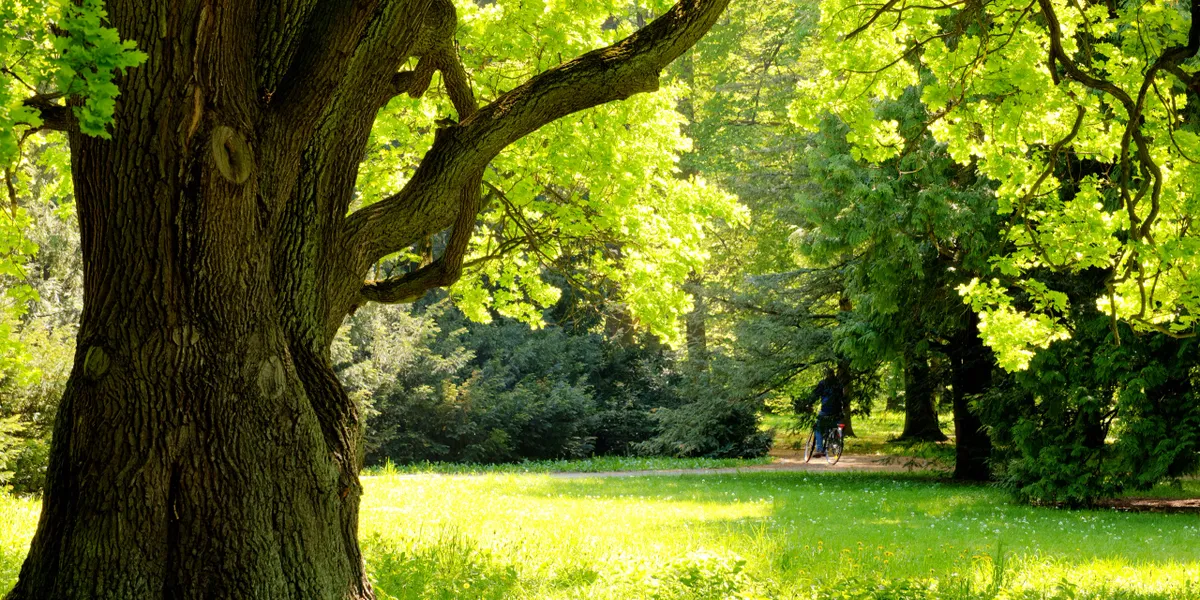

A mature tree can make it through weeks of hot weather without showing obvious signs of trouble. Its canopy may still look green, its trunk may appear strong, and there may be no broken branches to attract attention. Yet beneath that healthy-looking exterior, the tree may be dealing with depleted soil moisture, stressed roots, insect activity, nutrient limitations, or branches weakened by months of environmental pressure.
This is one reason the period following summer is so important for professional tree care.
Across Andover, Sparta, Denville, Kinnelon, Blairstown, Morristown, Newton, Hackettstown, Randolph, Roxbury, and surrounding Northern New Jersey communities, trees experience a combination of summer heat, periods of limited rainfall, thunderstorms, humidity, insect pressure, and competition from lawns and surrounding plants.
As temperatures begin to moderate, property owners have an excellent opportunity to evaluate how their trees handled those conditions and prepare them for the colder seasons ahead.
At Global Shade Tree Professionals, we encourage residential and commercial property owners to think beyond what their trees look like today. A post-summer tree evaluation can reveal developing concerns, identify opportunities for preventive care, and help trees enter the next season in stronger condition.
Summer Stress Is Not Always Immediately Visible
Trees respond to environmental stress differently than smaller landscape plants.
A flowering annual may wilt within hours when it lacks moisture. A mature tree has far greater reserves and may continue appearing relatively normal even while its root system is under stress.
This delayed response can make tree problems difficult for property owners to recognize.
Signs of summer stress may include:
- Early leaf drop
- Browning leaf edges
- Smaller-than-normal leaves
- Sparse sections of canopy
- Dead twigs
- Reduced new growth
- Wilting foliage
- Increased insect activity
Some symptoms may not become obvious until later in the growing season.
That is why professional inspection is so valuable.
Start by Looking at the Canopy
One of the easiest places to begin evaluating a tree is the canopy.
Stand far enough away to see the tree as a whole.
Does the canopy appear balanced and full?
Are there sections with significantly fewer leaves?
Are individual branches bare while the surrounding canopy remains green?
Has the tree dropped leaves unusually early?
These observations can provide clues about the tree’s condition.
A healthy canopy does not guarantee perfect health, but noticeable changes should not be ignored.
Property owners throughout Sparta, Denville, and Morristown with large established trees can benefit from making canopy observations part of routine property maintenance.
Check for Dead or Damaged Branches
Summer thunderstorms can place tremendous pressure on mature tree canopies.
Branches may crack without falling completely. Smaller limbs can become damaged while remaining suspended in the tree.
Other branches may die because of drought, insects, disease, or natural competition within the canopy.
Professional pruning can address appropriate dead or damaged branches before winter weather adds additional stress.
This can be especially important when branches extend over:
- Homes
- Driveways
- Garages
- Walkways
- Patios
- Parking spaces
- Commercial entrances
Removing identified hazards proactively can help reduce unnecessary surprises later.
Soil Moisture Deserves Attention
Hot weather can dry soil well below the surface.
A brief rain shower may make the ground look wet while deeper soil around tree roots remains dry.
Large trees require substantial amounts of moisture, and prolonged dry periods can create significant stress.
However, adding excessive water is not the solution either.
Waterlogged soil can reduce oxygen around roots and create a different set of problems.
Proper tree care considers:
- Soil type
- Drainage
- Tree species
- Tree age
- Weather conditions
- Existing landscape irrigation
The goal is balanced moisture, not simply more water.
Roots May Still Be Recovering
The root system supports everything visible above ground.
Summer heat and dry conditions can reduce the activity of fine absorbing roots responsible for taking up moisture and nutrients.
Roots may also be stressed by:
- Compacted soil
- Construction
- Heavy foot traffic
- Vehicle traffic
- Poor drainage
- Excess mulch
A post-summer evaluation provides an opportunity to examine the root environment and identify conditions that may limit long-term tree health.
At Global Shade Tree Professionals, we consider both the visible tree and the soil supporting it.
This Is a Good Time to Evaluate Soil Health
Residential landscapes are very different from forests.
In natural environments, fallen leaves and plant material gradually decompose and return nutrients to the soil.
Around homes and businesses, leaves are commonly removed and lawns compete with trees for nutrients and moisture.
Over time, soil conditions can become less supportive of healthy tree growth.
Depending on the needs of the property, professional recommendations may include:
- Soil improvement
- Fertilization
- Organic matter management
- Root-zone care
- Correct mulch practices
Tree fertilization should always have a purpose.
The goal is to provide appropriate support based on tree health and growing conditions rather than encouraging unnecessary growth.
Fertilization Can Support Long-Term Tree Health
Trees use nutrients for root development, foliage production, energy storage, and many other biological processes.
When nutrients are limited, trees may struggle to maintain healthy growth.
Professional fertilization may help support trees experiencing nutrient deficiencies or challenging landscape conditions.
Potential benefits can include:
- Supporting root health
- Encouraging balanced growth
- Improving foliage quality
- Helping trees manage environmental stress
- Supporting long-term vigor
The correct approach depends on the tree and the property.
A customized program is more valuable than treating every tree exactly the same way.
Look for Signs of Insect Activity
Summer is an active period for many landscape insects.
By the end of the season, their effects may become easier to recognize.
Property owners should watch for:
- Holes in leaves
- Damaged foliage
- Unusual webbing
- Sticky residue
- Bark abnormalities
- Small holes in trunks or branches
- Branch dieback
- Premature leaf drop
Not every insect found on a tree is harmful.
Healthy landscapes contain many beneficial organisms.
Professional identification helps distinguish damaging pest activity from normal ecological activity.
Our organic pest control approach focuses on understanding the specific problem and supporting the overall health of the tree or shrub.
Shrubs Need a Post-Summer Check Too
Trees are not the only landscape plants affected by prolonged summer conditions.
Shrubs may show:
- Browning foliage
- Dead stems
- Insect damage
- Disease symptoms
- Overgrown branches
- Poor flowering
- Thin growth
Professional shrub care can help identify problems before colder weather arrives.
Healthy shrubs also improve the overall appearance and balance of a landscape, particularly around entrances, foundations, patios, and commercial buildings.
Don’t Forget About Mulch
Mulch can be extremely beneficial when used correctly.
A proper mulch layer can:
- Help conserve soil moisture
- Moderate soil temperature
- Reduce competition from grass
- Protect soil structure
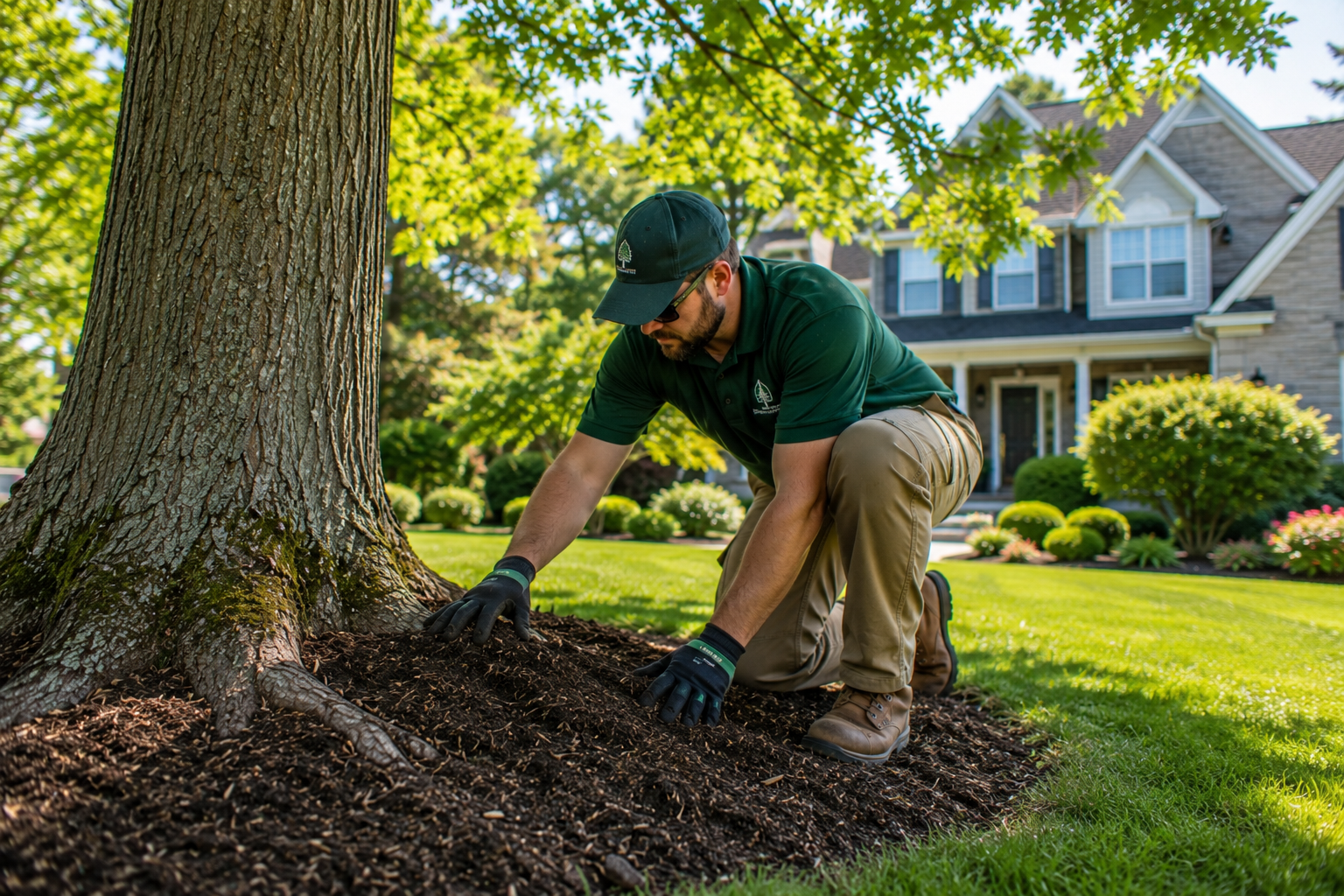
However, excessive mulch piled against a tree trunk can create unhealthy conditions.
The base of the trunk should not disappear beneath a large mound of mulch.
Proper root flare visibility and appropriate mulch placement support healthier growing conditions.
Post-Summer Care Helps Prepare Trees for Storm Season
Northern New Jersey weather can change quickly.
The end of hot summer conditions eventually leads to autumn winds, heavy rain, freezing temperatures, snow, and ice.
Trees entering colder seasons with existing structural weaknesses may face additional stress.
Professional evaluation can identify:
- Dead branches
- Cracked limbs
- Weak branch attachments
- Canopy imbalance
- Significant tree decline
Corrective action taken before winter can help reduce certain preventable risks.
Mature Trees Require a Long-Term Perspective
Large mature trees cannot be replaced quickly.
A tree that has taken 40, 60, or even 100 years to develop represents a substantial landscape asset.
Professional maintenance can help preserve that value.
Long-term tree care may involve:
- Routine inspections
- Appropriate pruning
- Soil management
- Fertilization when needed
- Organic pest management
- Monitoring structural changes
The objective is not constant intervention.
It is providing the right care at the right time.
Young Trees Need Attention After Summer Too
Recently planted trees can be particularly vulnerable to summer stress because their root systems have not yet fully expanded into the surrounding soil.
Property owners should evaluate young trees for:
- Adequate moisture
- Trunk damage
- Poor growth
- Incorrect mulch placement
- Broken branches
- Leaning
Early care helps young trees establish stronger structures and healthier root systems.
A relatively small investment during establishment can protect years of future growth.
Commercial Properties Should Review Trees Before Colder Weather
Commercial landscapes face unique challenges.
Trees may grow alongside:
- Parking lots
- Sidewalks
- Loading areas
- Building entrances
- Outdoor seating
- Internal roads
These environments can create compacted soil, reflected heat, limited root space, and increased consequences if a branch fails.
Commercial property managers throughout Morristown, Randolph, Roxbury, Hackettstown, Newton, and Denville can benefit from incorporating post-summer tree evaluations into routine property maintenance.
This provides an opportunity to identify priorities before winter weather and helps make future maintenance expenses more predictable.
Outdoor Pest Management Can Continue to Matter
Warm days do not immediately disappear when summer ends.
Mosquitoes and ticks may remain active while weather conditions continue to support them.
Properties with:
- Wooded edges
- Dense shrubs
- Leaf litter
- Shaded areas
- Outdoor seating
- Children’s play areas
may continue experiencing pest activity.
Professional mosquito and tick control can remain an important part of outdoor property management while these pests remain active.
Combining pest management with tree and shrub maintenance provides a more comprehensive approach to outdoor spaces.
Preventive Maintenance Helps Control Long-Term Costs
Ignoring tree stress does not make it disappear.
Small concerns can eventually develop into:
- Extensive branch dieback
- Larger pest infestations
- Severe structural problems
- Declining trees
- Emergency tree work
Preventive care gives property owners more choices.
A manageable pruning or soil issue today may be far less expensive than dealing with a severely compromised tree later.
This is one reason routine tree care should be viewed as property maintenance rather than an emergency-only service.
Every Property Needs an Individual Approach
Two properties on the same street can have very different tree care needs.
Differences may include:
- Tree species
- Soil composition
- Sun exposure
- Drainage
- Landscape design
- Construction history
- Tree age
- Pest activity
Professional evaluation allows maintenance recommendations to reflect the actual property rather than relying on generic assumptions.
At Global Shade Tree Professionals, we provide customized care for both residential and commercial landscapes throughout Northern New Jersey.
Frequently Asked Questions
Why do trees become stressed during hot weather?
High temperatures increase water demand, while dry soil can limit the amount of moisture available to roots. Heat may also compound existing problems such as poor soil or insect activity.
Can a tree look healthy even when it is drought-stressed?
Yes. Mature trees may show delayed symptoms, which means stress can exist before obvious canopy changes appear.
Should trees be fertilized after summer?
Some trees may benefit from appropriately timed fertilization, but treatment should depend on tree health, soil conditions, and nutritional needs.
What does early leaf drop mean?
Premature leaf drop can be associated with environmental stress, insects, disease, or other problems. Professional evaluation can help identify the cause.
Should dead branches be removed before winter?
Dead or structurally concerning branches should be professionally evaluated, especially when they extend over frequently used areas.
Can summer insects continue damaging trees later in the year?
Some pest activity and resulting damage can remain relevant after peak summer conditions. Monitoring should continue as needed.
How can homeowners protect tree roots?
Avoid unnecessary soil compaction, excavation, excessive mulch, and significant changes to the root zone. Proper watering and soil care can also support root health.
Do shrubs need seasonal care?
Yes. Shrubs can experience drought, insects, disease, and structural problems just like trees.
Are mosquitoes and ticks still active after summer?
They can remain active during suitable warm conditions, making seasonal monitoring and control important.
Why choose Global Shade Tree Professionals?
We provide comprehensive tree and landscape care throughout Northern New Jersey, including tree evaluations, professional pruning, tree removal, fertilization, organic pest control, shrub care, mosquito control, and tick control. Our focus is on proactive solutions that support long-term property health.
Give Your Trees the Care They Need Before the Seasons Change
A long, hot summer can take more out of trees than property owners realize. Even when the canopy remains green, roots, branches, and soil conditions may be showing signs of stress that deserve attention.
At Global Shade Tree Professionals, we help homeowners, businesses, property managers, and commercial facilities understand how their landscapes responded to seasonal conditions and what can be done to support healthier growth moving forward.
We proudly provide professional tree care, tree pruning, tree removal, fertilization, shrub care, organic pest control, mosquito control, tick control, and preventive landscape services throughout Andover, Sparta, Denville, Kinnelon, Blairstown, Morristown, Newton, Hackettstown, Randolph, Roxbury, and surrounding Northern New Jersey communities.
Phone: 973-398-0682
Email: globalshadetree@aol.com
Contact Global Shade Tree Professionals today to schedule a professional property evaluation and help your trees transition from summer stress into the next season stronger, healthier, and better prepared.